

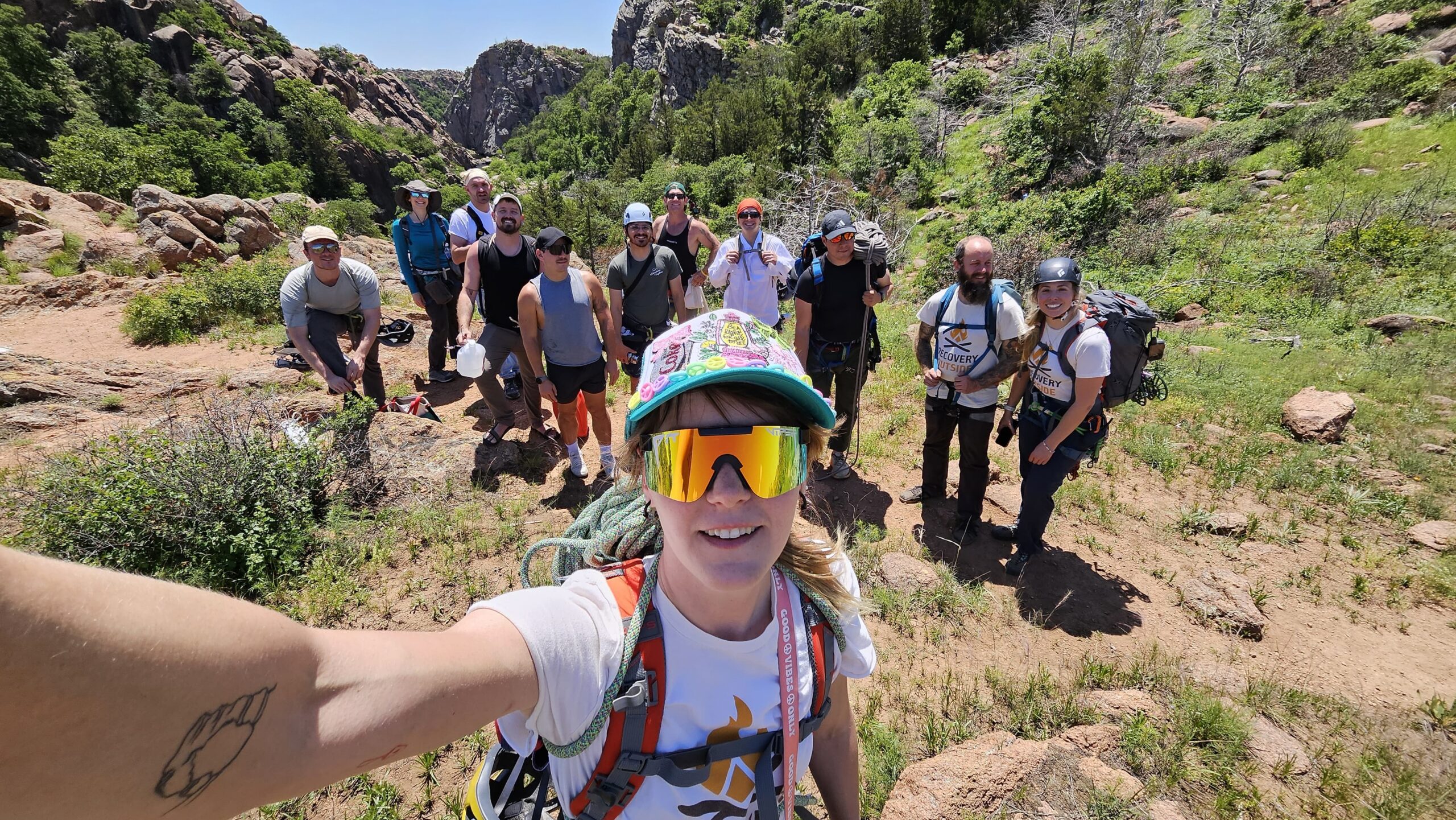
Making Friends in Sobriety in Austin
One of the hardest parts of recovery that people don’t talk about enough is loneliness.
Not just the absence of drinking—but the absence of connection. The loss of old routines. The realization that so much of your social life may have revolved around alcohol, even in ways you didn’t fully notice at the time.
A lot of people enter sobriety expecting cravings or lifestyle changes. What catches many off guard is the feeling of wondering:
How do I actually meet people now?
Where do sober adults even make friends?
How do I build community again?
If you’ve felt that way, you are far from alone.
And especially in a city like Austin—where drinking culture is deeply woven into concerts, patios, festivals, networking, sports, and even casual hangouts—it can feel intimidating trying to figure out where you fit.
The good news? Real connection absolutely exists on the other side of alcohol. Sometimes it just takes finding spaces built around something deeper.
Why Making Friends in Sobriety Can Feel So Hard
Recovery often changes more than drinking habits—it changes identity, routines, priorities, and relationships.
You may find yourself:
- Spending less time in environments that no longer feel healthy
- Growing apart from people you used to party with
- Feeling unsure how to socialize without alcohol
- Realizing you want more meaningful connection than you had before
And honestly? That transition can feel incredibly vulnerable.
Many people in recovery describe feeling isolated at first—not because they don’t want connection, but because they no longer know where to find it.
That’s why community matters so much in recovery. Humans heal in connection with other humans. We need places where we can show up honestly, feel accepted, and experience life together without needing substances to bridge the gap.
What Actually Helps
The truth is, making friends in sobriety often happens differently than it did before.
Instead of loud bars or surface-level socializing, connection tends to grow through shared experiences, consistency, vulnerability, and time.
That might look like:
- Going to a climbing meetup every week
- Joining a hiking group
- Taking a yoga class regularly
- Volunteering
- Attending recovery meetings
- Spending time outdoors with people who value similar things
One of the beautiful things about outdoor-based community is that it naturally creates opportunities for authentic connection. When people hike together, paddleboard together, sit around a campfire together, or challenge themselves outdoors together, conversations tend to become more real. Walls come down a little. People connect differently.
Sober Community in Austin
Austin has a growing recovery and sober-curious community, and there are more alcohol-free ways to connect than many people realize.
You don’t have to spend every weekend at bars to have fun, build friendships, or feel like you belong here.
Some ideas include:
- Outdoor adventure groups
- Climbing gyms and climbing meetups
- Yoga communities
- Volunteer organizations
- Recovery meetings and support groups
- Coffee meetups
- Recreational sports leagues
- Creative workshops and community events
The key is consistency. Relationships rarely happen overnight. But showing up repeatedly in spaces that align with your values can slowly turn strangers into familiar faces—and eventually into real community.
How Recovery Outside Fits Into This
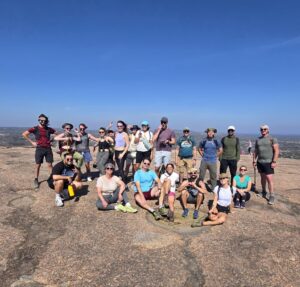
At Recovery Outside, we believe recovery deserves more than isolation and survival mode.
We believe people deserve joy, adventure, movement, laughter, challenge, nature, and genuine connection.
That’s why we create outdoor experiences centered around community—things like hiking, climbing, camping, paddle boarding, yoga, volleyball, archery, and more. Not because everyone needs to become an outdoor athlete, but because shared experiences have a powerful way of bringing people together.
Some people come to an event knowing no one. A few months later, they’re carpooling to campouts, texting new friends regularly, and feeling part of something again.
That kind of connection can be life-changing.
If sobriety has felt lonely lately, we want you to know something: there is nothing wrong with you.
Building a new life and new community takes time. It can feel awkward and uncomfortable at first. But there are people out there searching for the exact same kind of connection you are.
Keep showing up.
Keep trying new spaces.
Keep letting yourself be seen.
Community rarely appears all at once—but sometimes it starts with one event, one conversation, or one day outside.
And if you’re looking for sober community in Austin, we’d love to have you join us sometime.

