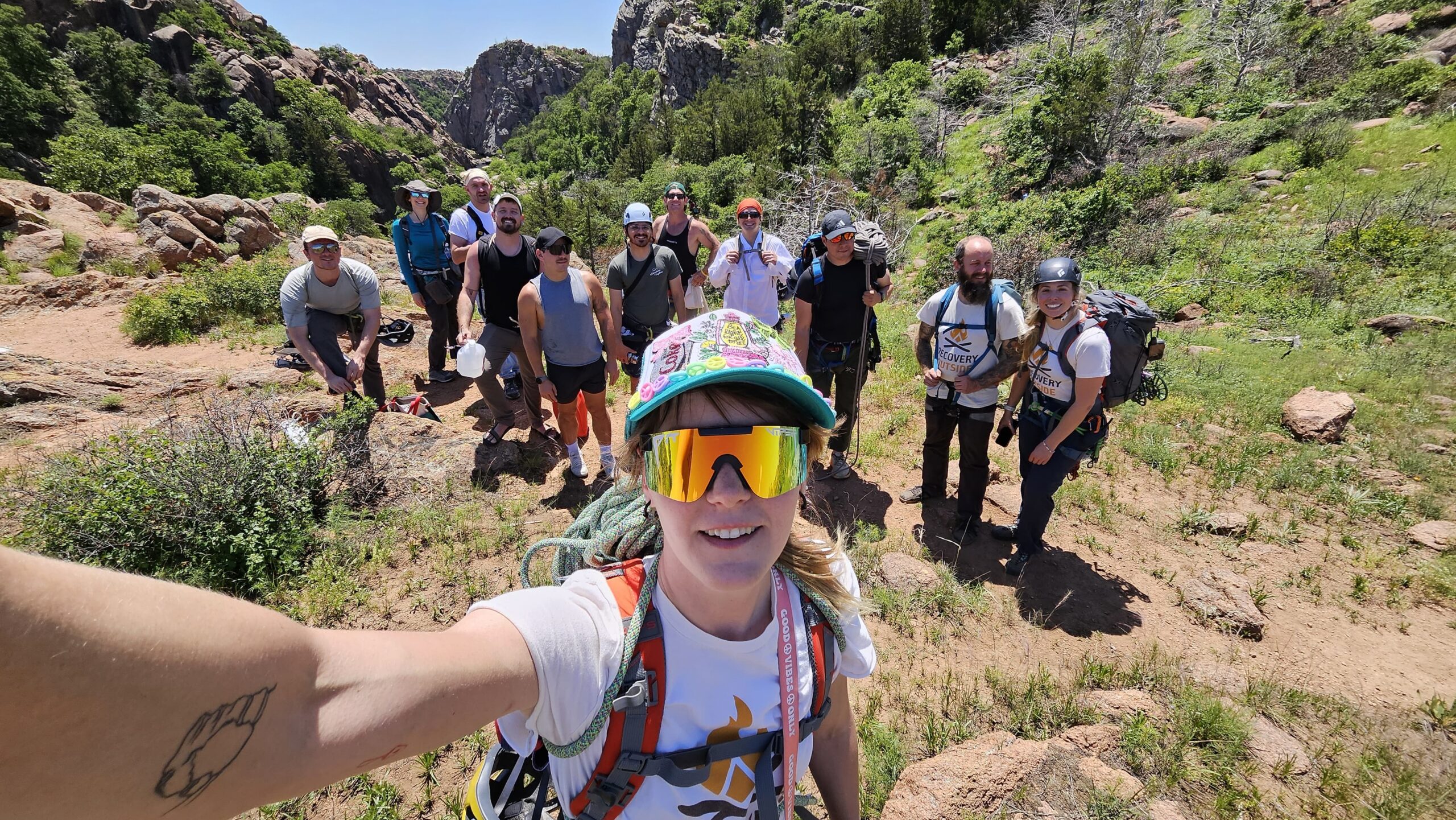


April is Alcohol Awareness Month—a time to bring more honesty, education, and compassion to a topic that affects so many people, often quietly.
Alcohol misuse can impact individuals, families, relationships, workplaces, and entire communities. But one of the hardest parts is that it does not always look dramatic from the outside. Sometimes it looks like stress relief. Sometimes it looks like “just having fun.” Sometimes it looks like something that has slowly become harder to control.
Awareness matters because change usually starts with recognition.
If you have ever wondered whether alcohol is taking up too much space in your life, you are not alone—and you are not broken.

1. Drinking feels harder to control than it used to
One of the early signs that alcohol may be becoming a problem is when it starts to feel less like a choice and more like a pattern you keep repeating, even when you do not really want to.
That might look like:
- drinking more than you planned
- telling yourself you will cut back, then not following through
- needing alcohol to relax, socialize, or unwind
- feeling frustrated with yourself afterward
It does not have to be “rock bottom” to matter. If it feels off, it matters.
2. Alcohol is affecting your mental or emotional well-being
For many people, alcohol is deeply tied to anxiety, depression, shame, isolation, sleep issues, or emotional overwhelm.
You may notice:
- increased anxiety the next day
- more irritability or low mood
- emotional numbing
- stronger feelings of guilt or regret
- a cycle of drinking to cope, then feeling worse afterward
Alcohol often promises relief in the moment while making things harder in the long run.
3. It is impacting your relationships or daily life
Sometimes the clearest signs show up in everyday life.
Maybe alcohol is affecting:
- your energy
- your motivation
- your work performance
- your ability to be present with people you care about
- your confidence in yourself
Even if you are still functioning on the outside, things can still feel heavier than they need to.
4. You feel isolated, stuck, or like no one really gets it
Struggles with alcohol often thrive in secrecy.
A lot of people feel like:
- everyone else seems fine
- they should be able to “just stop”
- asking for help means they have failed
- no one would understand what they are going through
But the truth is that support changes things. Community changes things. Being around people who get it can make recovery feel possible instead of impossible.
5. Awareness is not about shame—it is about support
Alcohol Awareness Month is not about labeling or judging people. It is about creating more room for honesty, earlier intervention, and real support.
The earlier someone feels safe enough to ask questions, talk openly, or seek help, the better.
Awareness can sound like:
- “I do not like how this is affecting me.”
- “I think I need more support.”
- “I want something different.”
- “I do not want to keep doing this alone.”
That awareness is powerful.
6. Recovery is about more than stopping drinking
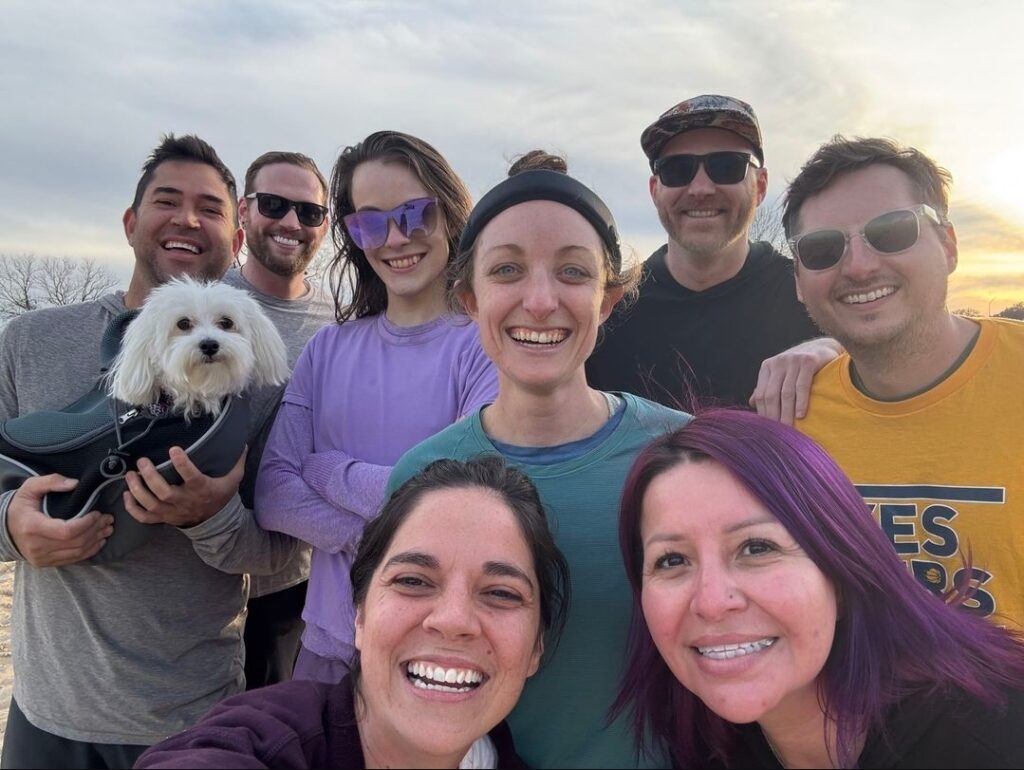
For many people, recovery is not just about removing alcohol. It is about rebuilding connection, meaning, joy, and a life that actually feels good to be in.
That is one reason community matters so much.
Recovery Outside exists to help people in recovery and people navigating mental health challenges find healing through outdoor experiences, movement, and connection. For many, being in nature and in community can offer something alcohol never could: real presence, belonging, and hope.
7. Help is available
Whether you are questioning your relationship with alcohol, supporting someone you love, or already in recovery, help is available.
You do not have to wait until things get worse.
You do not have to prove that it is “bad enough.”
You do not have to do it alone.
If you are looking for community, support, and sober connection, Recovery Outside offers outdoor experiences designed to help people reconnect with themselves and with others.
Check out upcoming programs here:
https://recoveryoutside.org/programs/
Alcohol Awareness Month is a reminder that awareness can save lives, open conversations, and create change.
Sometimes the first step is simply being honest about what is not working.
Sometimes the next step is reaching for support.
Either way, there is hope—and there are people who understand.